Sonaxion
Blockchain ticketing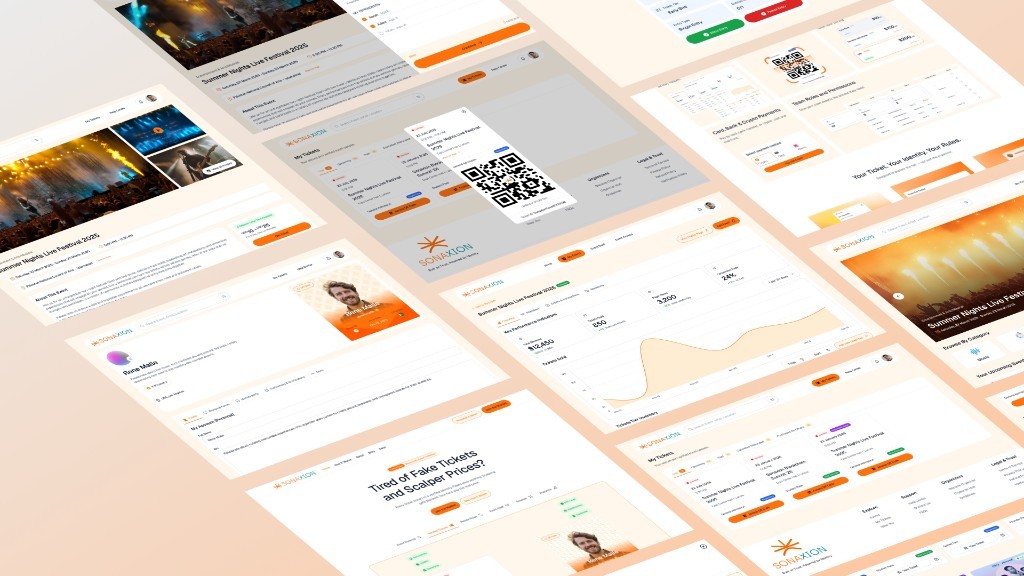
Ticketing was not designed to protect the person holding the ticket
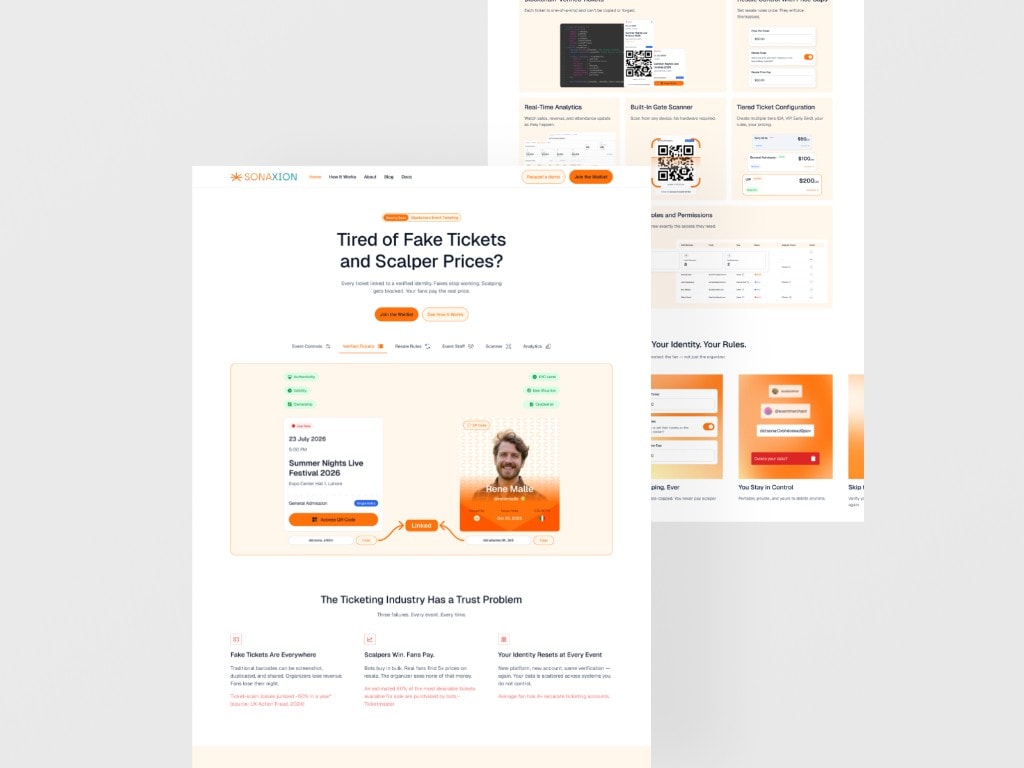
Live event ticketing has a structural problem, not a technology gap. Bots buy faster than humans. Scalpers resell at multiples of face value with no accountability. Tickets change hands through channels the organiser cannot see, let alone control. When fraud happens — duplicated barcodes, forged transfers, fake listings — it is the fan who absorbs the loss.
The platforms that dominate the market have little incentive to fix this. Their revenue model benefits from volume, not fairness. Bolt-on fraud detection catches some bots, but it does not change who the ticket belongs to or what happens when it is resold. The ticket itself carries no identity, no chain of custody, and no enforceable rules.
Identity-bound tickets on a chain nobody needs to know about
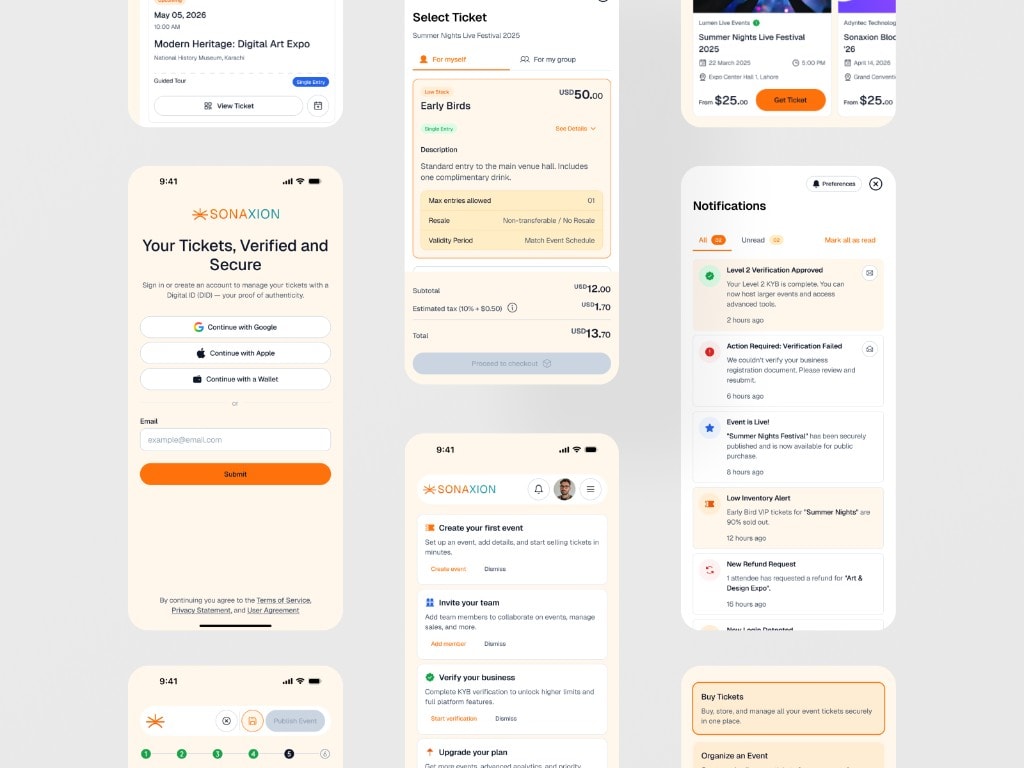
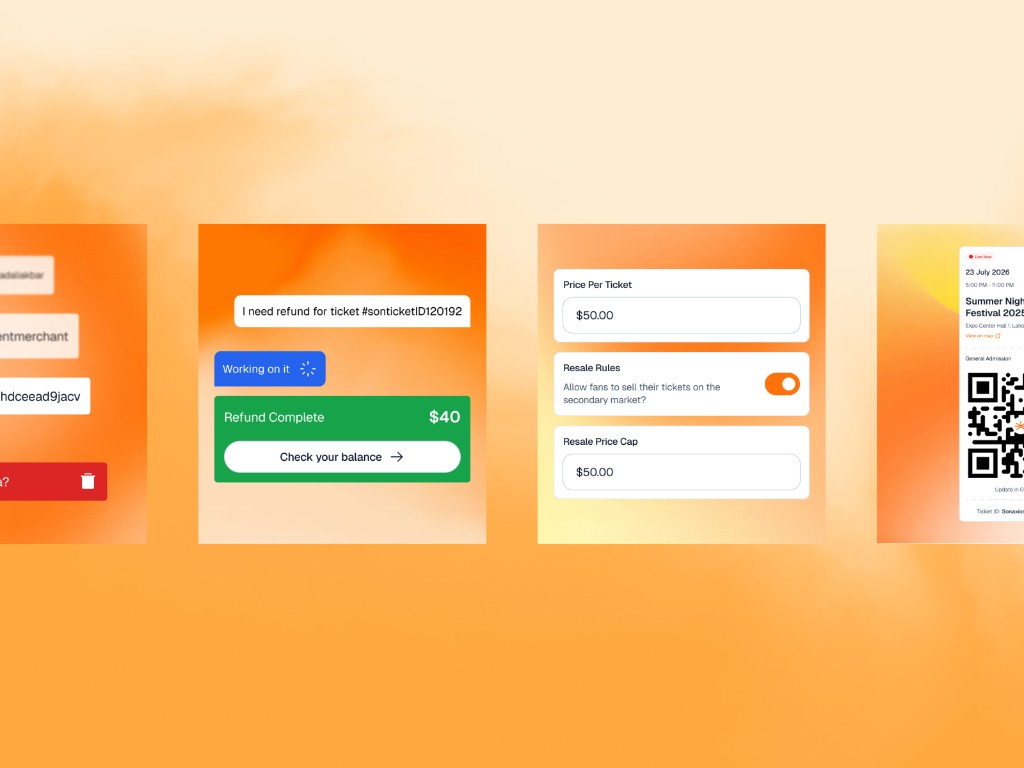
We built Sonaxion from the architecture up. Every ticket is bound to a verified decentralised identity — it cannot be duplicated, transferred without consent, or scalped outside the rules the organiser sets. A private blockchain serves as the tamper-proof audit spine: every issuance, transfer, and entry scan is recorded, but the chain sits behind the product, not in front of the user.
The experience is entirely Web2. Sign-up is email or social login. Payments are fiat or crypto — fiat users never see a gas fee. An AI rule engine with 23 modules runs underneath, handling bot pressure, velocity anomalies, and resale health in real time. Organisers get a resale marketplace with caps they control and full visibility into where every ticket sits at any moment.
The result is a ticketing system where fraud is not detected after the fact — it is prevented by design.
- 1+Year
- Timeline
- 500+
- Assets created
- 7
- Team Member
- Pre Launch
- Phase
Sonaxion merges ticketing, payments, identity, and blockchain—a vision requiring far more than standard development. Adyntec Cube understood the core problems behind every requirement. Instead of saying “that can’t be done,” they figured out how. They acted as true technology partners: challenging ideas, solving complex issues, and delivering a functional, innovative product.